The Hidden Geometry of Prime Numbers
영상
저작권
크레딧
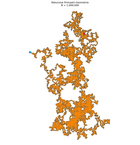
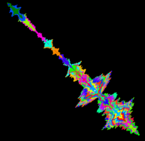
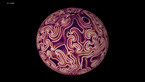
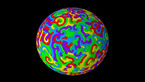
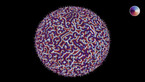
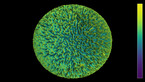
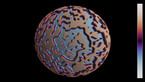
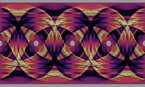
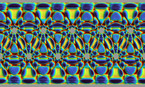
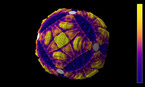
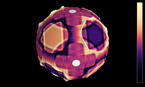
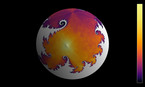
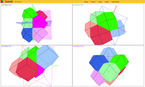
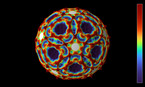
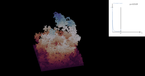
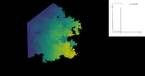
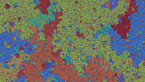
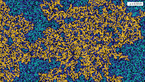
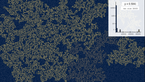
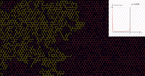
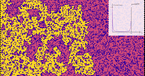
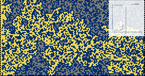
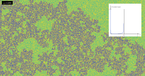
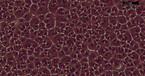
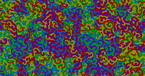
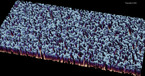
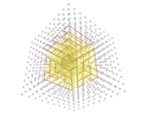
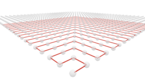
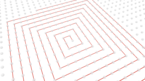
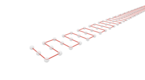
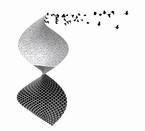
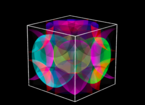
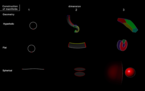
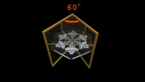
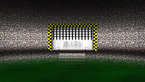
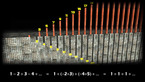
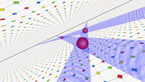
Geometric visualization generated by the Prime Geometry algorithm using deterministic turning rules based on prime and composite numbers.
This visualization was generated using the Prime Geometry algorithm.
Starting from an initial position and direction, every natural number is processed sequentially.
For each integer:
• If the number is prime, the direction rotates by a fixed angle in this case (120°) in the counterclockwise direction.
• If the number is composite, the direction rotates by the same angle in the clockwise direction.
A circular arc is then constructed tangent to the previous one, producing one continuous geometric trajectory.
Although the local rule is extremely simple, increasingly complex global structures emerge as more integers are processed.
The red point marks the starting position of the construction.
The blue square marks the final position after all integers have been processed.
The yellow cross indicates the centroid of the projected prime points. As additional prime numbers are processed, this centroid gradually changes and tends to stabilize for larger datasets.
This visualization illustrates how deterministic arithmetic rules can generate rich geometric structures without the use of randomness.
The project is intended as a computational and visual exploration of integer sequences. It does not claim a new theorem, a new primality test, or a mathematical proof concerning the distribution of prime numbers.
관련 자료
영상 더 보기